Reconnect with Nature: Benefits of Planting Trees
- Brent Deisher
- 1 hour ago
- 3 min read

In a world increasingly dominated by technology and urbanization, the simple act of planting trees can seem almost revolutionary. Trees are not just a beautiful addition to our landscapes; they play a crucial role in our environment and well-being. This blog post explores the myriad benefits of planting trees, from improving air quality to enhancing mental health, and offers practical tips on how you can get involved.
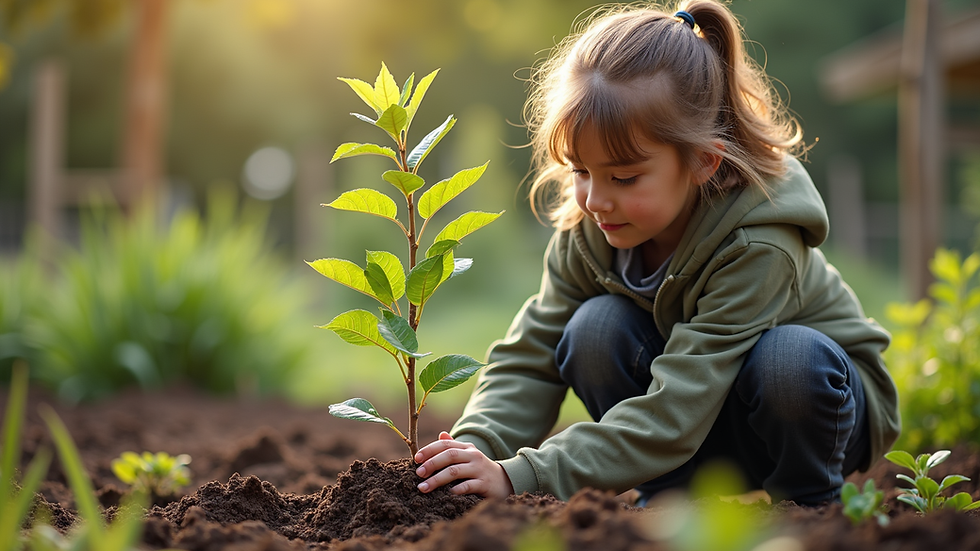
The Environmental Impact of Trees
Improving Air Quality
One of the most significant benefits of trees is their ability to improve air quality. Trees absorb carbon dioxide and release oxygen, making them essential for a healthy atmosphere. According to the U.S. Forest Service, a single mature tree can absorb approximately 48 pounds of carbon dioxide per year. This means that planting trees can significantly reduce the amount of greenhouse gases in our atmosphere.
Reducing Urban Heat
Urban areas often experience the "heat island" effect, where temperatures are significantly higher than in surrounding rural areas. Trees provide shade and release moisture into the air through a process called transpiration, which helps cool the environment. Studies show that strategically planted trees can reduce urban temperatures by as much as 10 degrees Fahrenheit.
Supporting Biodiversity
Trees provide habitats for countless species of wildlife. From birds to insects, a single tree can support a diverse ecosystem. By planting trees, we can help restore habitats that have been lost due to urban development and deforestation. This not only benefits wildlife but also contributes to a healthier environment for humans.
The Health Benefits of Trees
Enhancing Mental Well-Being
Spending time in nature has been shown to reduce stress, anxiety, and depression. A study published in the journal Environmental Science & Technology found that individuals who live near green spaces report better mental health. Trees create serene environments that encourage relaxation and mindfulness.
Encouraging Physical Activity
Parks and green spaces filled with trees provide ideal locations for physical activities such as walking, jogging, and cycling. Access to these areas encourages people to engage in outdoor activities, promoting a healthier lifestyle. Communities with more trees often see higher levels of physical activity among residents.
Improving Community Cohesion
Trees can also foster a sense of community. Neighborhoods with abundant greenery are often more inviting and encourage social interactions. Community tree-planting events can bring people together, strengthening bonds and creating a shared sense of responsibility for the environment.
Economic Benefits of Trees
Increasing Property Values
Research has shown that homes located near trees and green spaces often have higher property values. A study by the National Association of Realtors found that landscaping, particularly trees, can increase property values by 7% to 19%. This makes planting trees not only an environmental investment but also a financial one.
Reducing Energy Costs
Trees can significantly lower energy costs by providing shade and reducing the need for air conditioning in the summer. According to the U.S. Department of Energy, strategically placed trees can reduce energy bills by 15% to 50%. This is particularly beneficial for low-income households, where energy costs can be a significant burden.
Creating Jobs
The tree-planting industry creates jobs in various sectors, including landscaping, forestry, and environmental conservation. By investing in tree planting, communities can stimulate local economies and create employment opportunities.
How to Get Involved
Start a Tree-Planting Initiative
If you're passionate about the environment, consider starting a tree-planting initiative in your community. Gather a group of friends, family, or neighbors and choose a local park or open space that could benefit from more trees. Research native species that thrive in your area and plan a planting day.
Partner with Local Organizations
Many organizations focus on reforestation and urban greening. Partnering with these groups can provide you with resources, expertise, and support. Look for local non-profits or community groups that focus on environmental conservation and see how you can collaborate.
Educate Others
Spread the word about the benefits of planting trees. Host workshops, create social media campaigns, or write articles to inform others about the importance of trees. The more people understand the benefits, the more likely they are to get involved.
Conclusion
Planting trees is a simple yet powerful way to reconnect with nature and improve our environment. From enhancing air quality to boosting mental health and creating economic opportunities, the benefits are far-reaching. Whether you choose to plant a tree in your backyard or participate in a community initiative, every effort counts. Let’s work together to create a greener, healthier planet for future generations.
Take the first step today—find a local tree-planting event or start your own initiative. The trees you plant today will provide benefits for years to come.


Comments